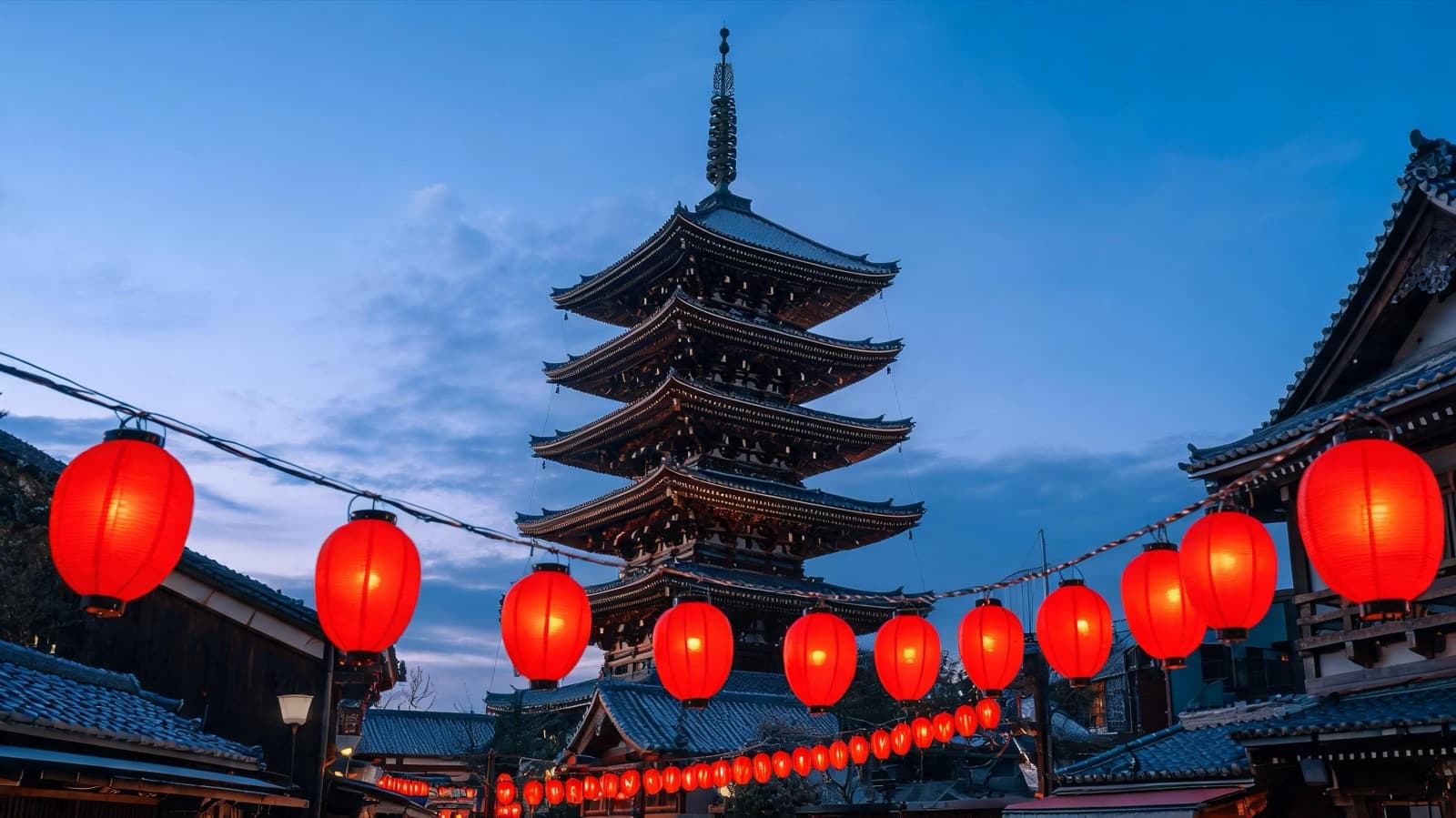
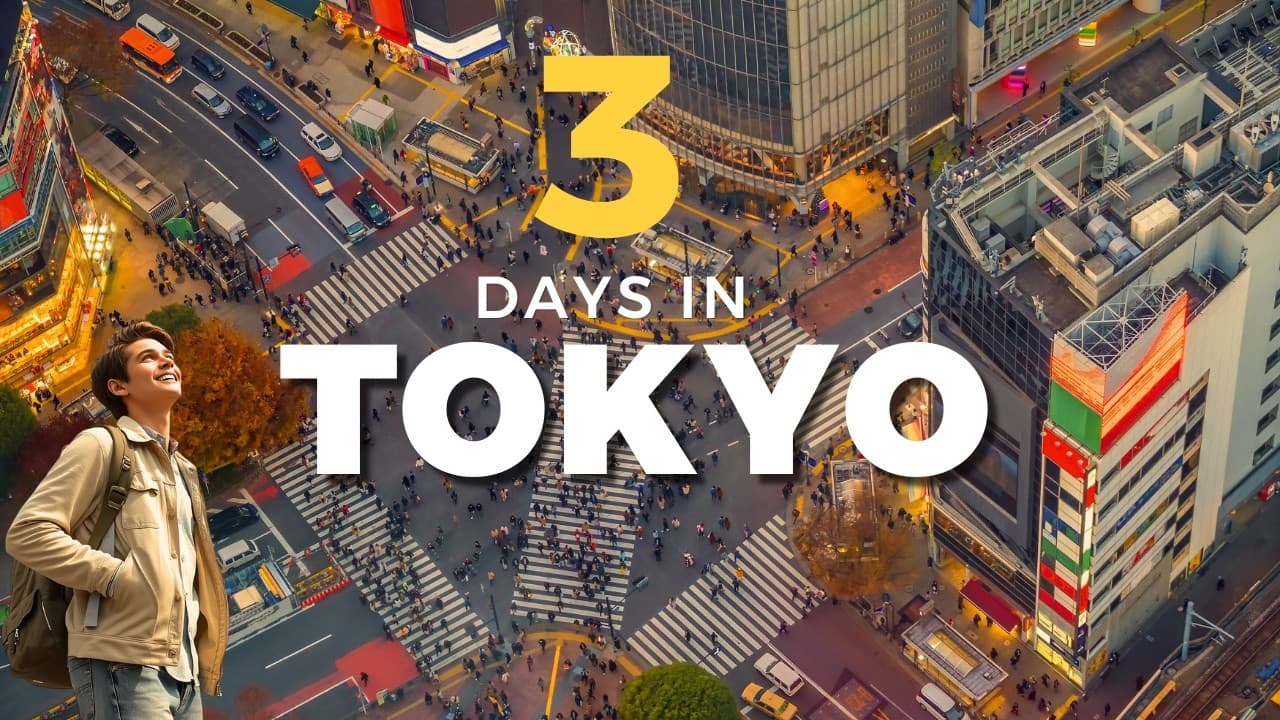
3 Days in Tokyo: Temples, Neon & Skyline Nights
Solo first-timers, food lovers, nightlife seekers and photo-focused travelers
A first-time-friendly three-day Tokyo route following the video’s traditional Asakusa, modern west-Tokyo, and Ginza/Toyosu finale structure. It prioritizes standout food, after-dark city views, and photogenic streets while keeping each day manageable for a solo traveler.
- Days
- 3
- Stops
- 15
- Per day
- ¥25,000–40,000
- Video picks
- 8
When to go: March to May for spring weather and sakura, or September to November for comfortable temperatures and autumn color. April is beautiful but busy and usually more expensive, particularly around cherry-blossom sites.
Begin with Tokyo’s oldest temple and a classic tempura lunch, then move from Akihabara’s colorful streets to a sunset skyline and sushi dinner.
SUKE6 DINERFood
Start in Asakusa with the video’s coffee-and-bread breakfast set: eggs, toast and locally roasted coffee.
Tip: Go early to be at Senso-ji before the busiest tour groups.

Senso-ji Temple, Kaminarimon Gate and Nakamise StreetSight
Walk through the red Kaminarimon Gate, browse Nakamise’s rice crackers and crafts, and visit Tokyo’s oldest Buddhist temple.
Tip: Use the quieter paths behind the main complex to frame the five-story pagoda in photos.

Daikokuya TempuraFood
Have the historic restaurant’s signature crisp tempura bowl over rice; it has served diners for more than a century.
Tip: Expect a queue at lunch; a solo counter seat is usually easiest to secure.

Akihabara and Cafe AsanActivity
Browse Akihabara’s manga, gaming and collectible shops, then pause at Cafe Asan for its hammock seating and matcha dessert.
Tip: Shoot the colorful main streets in late afternoon, then use the café as a low-key recharge break.

Tokyo Skytree and Sushi ZanmaiSight
Ride up 30–45 minutes before sunset for daylight-to-night skyline views, then end with a tuna-forward sushi dinner at Sushi Zanmai.
Tip: Book your Skytree time slot ahead in April; ask the sushi chef for the fish of the day.

Balance the city’s most kinetic crossing with Meiji Shrine’s forest calm, then follow Harajuku’s food trail into Shinjuku nightlife.
Streamer Coffee CompanyFood
Fuel up in Shibuya with espresso, a rich latte and thick Japanese-style toast.
Tip: Keep breakfast efficient: Meiji Shrine is most peaceful earlier in the day.

Shibuya Crossing and Hachiko StatueSight
Experience the famous multi-direction crossing, then visit the nearby statue commemorating Hachiko’s loyalty.
Tip: Cross once at street level, then take a few minutes to photograph the flow from a nearby elevated public viewpoint if accessible.

Meiji ShrineSight
Walk the broad, wooded approach beneath the torii gates to this peaceful Shinto sanctuary dedicated to Emperor Meiji and Empress Shoken.
Tip: Be respectful around worshippers and ceremonies; the video specifically recommends an early visit.

AFURI Ramen, Takeshita Street and Marion CrepesFood
Try AFURI’s light yuzu ramen before exploring Harajuku’s colorful boutiques and snack stands; finish with a fruit-and-cream crepe at Marion Crepes.
Tip: Choose a solo seat at AFURI, and treat the crepe as a shareable-sized dessert even when traveling alone.

Tokyo Metropolitan Government Building and Omoide YokochoNightlife
Catch free sunset views from the Metropolitan Government Building, then spend the evening among Shinjuku’s tiny izakaya for grilled skewers, small plates and drinks.
Tip: Do not be put off by a small busy counter: the creator says these are often the most authentic spots. Check any cover charge before sitting. The observation decks open at 9:30, and at least one stays open until 22:00 on most days.

Spend the final day tasting Tsukiji, stepping into teamLab’s otherworldly installations, and ending with classic Tokyo Tower views and a memorable dinner.
Tsukiji Outer MarketFood
Graze on fresh seafood, sushi and traditional Japanese snacks along the narrow market lanes instead of committing to a large breakfast.
Tip: Visit hungry but buy from a few stalls rather than over-ordering at the first one; carry cash for smaller vendors.

teamLab PlanetsActivity
Experience the video’s immersive digital-art highlight: barefoot water rooms, floating lights and mirrored installations in Toyosu.
Tip: Reserve a timed ticket in advance and wear clothes you can comfortably move in; you will remove your shoes.

Hamarikyu GardensNature
Slow down among traditional landscaping framed by surrounding high-rises, a striking old-and-new Tokyo photo contrast.
Tip: April blooms vary by year; check the garden’s seasonal flowering updates before you go.

Tokyo Tower Main DeckSight
Take in classic illuminated Tokyo views from the city’s iconic red-and-white tower, a lower-cost skyline alternative to Skytree.
Tip: Time your visit for blue hour, just after sunset, when the city lights begin to glow.

Gonpachi Nishi-AzabuFood
Reserve the video’s film-famous finale restaurant for Japanese dishes including sushi, grilled items and tempura in Nishi-Azabu.
Tip: Book ahead, as the creator notes it is especially popular with visitors; a reservation also makes solo dining simple.

Guides that use this video