3 Days in Tokyo: A First-Timer Itinerary From a Video Guide
Three days in Tokyo for first-timers: Asakusa and Skytree, Shibuya to Shinjuku, then Tsukiji and teamLab, with food picks and approximate yen costs.
On this page
On a first visit, three days in Tokyo work best split by area: Asakusa, Akihabara and a Tokyo Skytree sunset on Day 1, then Shibuya, Meiji Shrine, Harajuku and Shinjuku after dark on Day 2, then Tsukiji Outer Market, teamLab Planets and Tokyo Tower on Day 3. Grouping neighbors like this is the easiest way to avoid losing hours on trains in a city this large.
The route below follows one video guide and the sample plan that Vidtrip's AI planner generated from it, with each stop linked to the moment it appears in the video. It is written for someone visiting Tokyo for the first time.
How this 3-day Tokyo itinerary was built
The source is "How to Spend 3 Days in Tokyo – The Ultimate Travel Guide & Step-by-Step Itinerary" by The Ultimate Travel Guide channel. The creator's main warning is that without a plan it is easy to waste time moving between neighborhoods that are far apart, so the route is organized to keep each day compact.
This version was tailored for a solo traveler visiting in April on a mid-range budget, at a balanced pace, interested in food, nightlife and photography. It keeps the video's three-day structure, adds sunset viewpoints and neon-lit Shinjuku for photos and nightlife, favors counter-style sushi and yakitori that are easy when eating alone, and adds cherry-blossom season advice. The full interactive version, with a free PDF download, is the Tokyo example plan.
Each day holds five stops, counting meals, which sits at the upper end of a balanced pace. Our guide to how many things to plan per day explains how to trim it if you prefer a slower trip.
Day 1: Asakusa, Akihabara and a Skytree sunset
| Time | Stop | Time to allow | Approx. cost |
|---|---|---|---|
| 08:30 | SUKE6 DINER | 45 minutes | ¥1,800-2,300 |
| 09:30 | Senso-ji, Kaminarimon Gate and Nakamise Street | 1.5 hours | Free, plus ¥500-1,000 for snacks |
| 12:00 | Daikokuya Tempura | 1 hour | ¥2,300-2,800 |
| 14:00 | Akihabara and Cafe Asan | 2.5 hours | ¥800-1,200 at the café, plus shopping |
| 17:45 | Tokyo Skytree and Sushi Zanmai | 3 hours | ¥3,100-3,500 Skytree, ¥3,800-5,300 dinner |
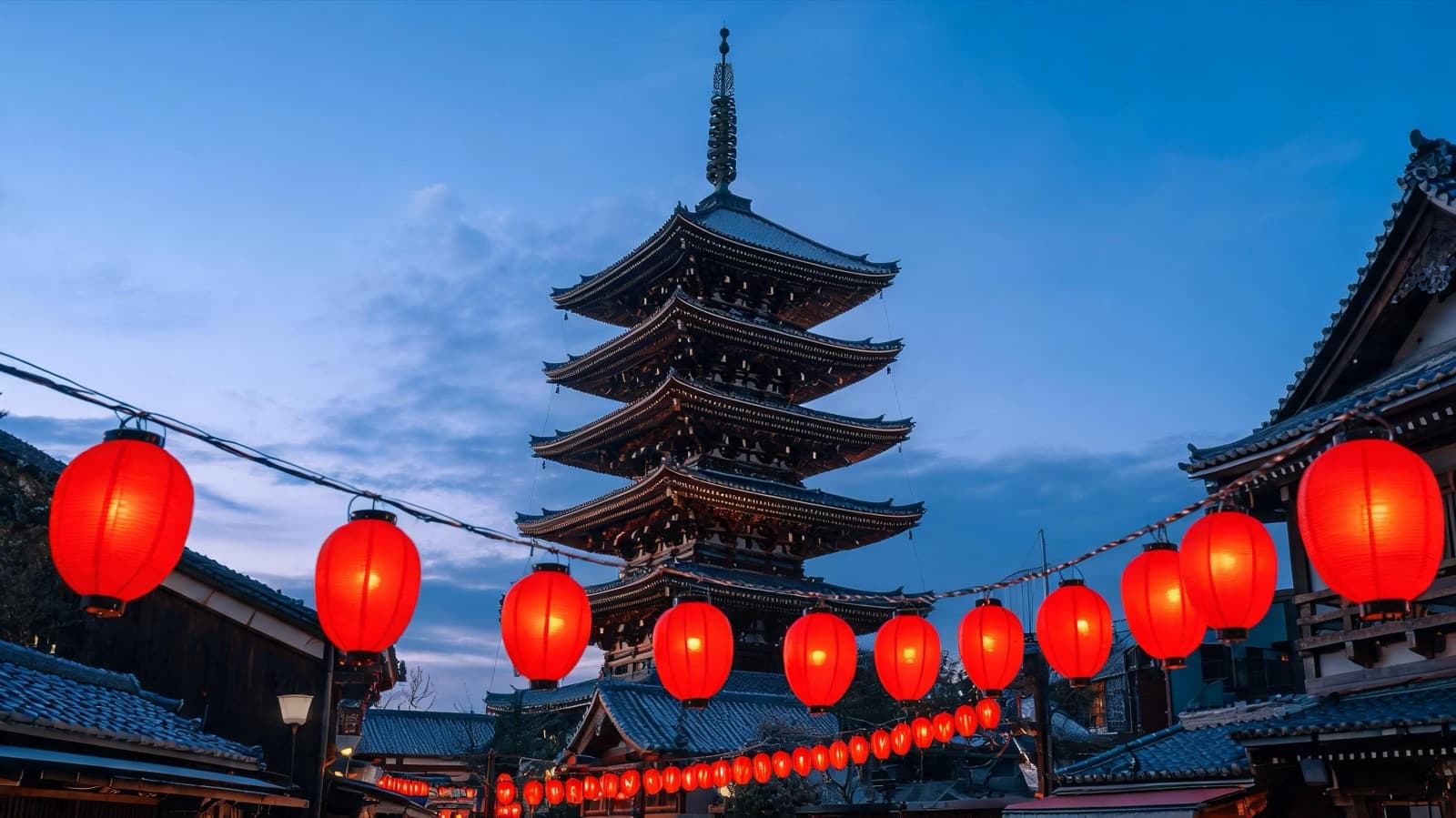
Start with eggs, toast and locally roasted coffee at SUKE6 DINER in Asakusa, then walk a few minutes to Senso-ji, Tokyo's oldest Buddhist temple. Entry is free, and arriving early means you see Kaminarimon Gate and the snack stalls of Nakamise Street before the crowds. For photos, the creator's tip is to use the quieter paths behind the main temple to frame the five-story pagoda.
Lunch is a tempura bowl at Daikokuya, which has been serving customers for more than a century. Expect a line at lunch; a solo counter seat is usually the easiest to get. Then take the Ginza subway line toward Akihabara for manga, gaming and collectible shops, with a break at Cafe Asan for its hammock seats and matcha desserts.
Time Skytree carefully. The creator suggests going up 30 to 45 minutes before sunset so one ticket shows the skyline by daylight, at sunset and lit up at night. Finish at Sushi Zanmai and ask the chef for the fish of the day.
Day 2: Shibuya, Meiji Shrine, Harajuku and Shinjuku after dark
| Time | Stop | Time to allow | Approx. cost |
|---|---|---|---|
| 08:30 | Streamer Coffee Company | 45 minutes | ¥1,200-1,800 |
| 09:30 | Shibuya Crossing and Hachiko statue | 1 hour | Free |
| 11:00 | Meiji Shrine | 1.5 hours | Free |
| 13:00 | AFURI Ramen, Takeshita Street and Marion Crepes | 2.5 hours | ¥1,500-2,000 ramen, ¥800-1,200 crepe |
| 17:30 | Metropolitan Government Building and Omoide Yokocho | 4 hours | Free deck, ¥3,000-4,500 dinner and drinks |
After espresso and thick Japanese-style toast at Streamer Coffee, walk to Shibuya Crossing and the nearby Hachiko statue, which honors the dog who waited for his owner every day for years. Cross once at street level, then look for a spot to watch the flow from above.
Meiji Shrine sits inside a forest, reached by a wide gravel path under huge torii gates. It is dedicated to Emperor Meiji and Empress Shoken, and entry is free. The creator says visiting earlier in the day is quieter and gives you a better chance of seeing traditional ceremonies, so if that matters to you, swap the shrine and Shibuya.
Lunch is AFURI's light, yuzu-flavored ramen, then Takeshita Street's boutiques and snack stands, ending with a fruit-and-cream crepe from Marion Crepes. As the sun goes down, head to Shinjuku. The observation decks at the Tokyo Metropolitan Government Building are free and open from 9:30, with at least one staying open until 22:00 on most days. Afterward, Omoide Yokocho, the lane also known as Yakitori Alley, serves skewers and drinks in tiny bars. The creator's advice is not to be put off by a small, crowded spot, since those are often the best meals. Check for a cover charge before you sit, and keep an eye on the last train.
Day 3: Tsukiji, teamLab Planets and Tokyo Tower
| Time | Stop | Time to allow | Approx. cost |
|---|---|---|---|
| 09:00 | Tsukiji Outer Market | 1.5 hours | ¥1,500-2,500 |
| 11:30 | teamLab Planets | 2 hours | ¥3,800-4,200 |
| 14:30 | Hamarikyu Gardens | 1.25 hours | ¥300 |
| 17:15 | Tokyo Tower Main Deck | 1.5 hours | ¥1,200-1,500 |
| 20:00 | Gonpachi Nishi-Azabu | 1.5 hours | ¥4,500-6,000 |
The video opens Day 3 with ricotta pancakes at bills Ginza. The sample plan swaps that for grazing at Tsukiji Outer Market, where small tastes of seafood, sushi and snacks from several stalls make a better breakfast than one big order. Carry some cash for smaller vendors.
teamLab Planets in Toyosu is the video's art highlight: you walk barefoot through water rooms and mirrored spaces full of floating lights. Book a timed ticket ahead. Afterward, Hamarikyu Gardens contrasts traditional landscaping with the surrounding towers, which makes for good photos.
Tokyo Tower is the cheaper skyline alternative to Skytree, and blue hour, just after sunset, is when the lights come on. End with dinner at Gonpachi in Nishi-Azabu, which the creator describes as the restaurant that inspired a scene in Kill Bill. Reserve ahead; a booking also makes dining alone simple.
What the creator recommends
- Senso-ji early, plus the quiet paths behind it for pagoda photos.
- Tokyo Skytree around sunset for three views on one ticket.
- Sushi Zanmai, asking the chef for the freshest fish of the day.
- Meiji Shrine early in the day for calm and a chance to see ceremonies.
- AFURI Ramen for a lighter yuzu broth.
- A small, crowded spot in Omoide Yokocho, also known as Yakitori Alley.
- Tsukiji Outer Market for a grazing meal.
- teamLab Planets, reserved in advance.
What the creator says to skip
- Airport taxis. They are available from Narita and Haneda but expensive, often around US$70 to over US$150 depending on distance.
- Renting a car. The creator says it is rarely recommended because parking is expensive and the trains are more convenient.
Getting around and where to stay for 3 days in Tokyo
Trains carry this whole itinerary. Get a Suica or PASMO card (both work the same way, and either can be added to Apple Wallet before you arrive), and expect most metro rides to cost about ¥180-300. From the airport:
| Airport | Option | Time | Approx. cost |
|---|---|---|---|
| Narita | Narita Express to central Tokyo | About 60 minutes | About ¥3,000 |
| Narita | Keisei Skyliner to Ueno | 40-50 minutes | About ¥2,500 |
| Haneda | Tokyo Monorail or Keikyu Line | 20-30 minutes | ¥500-700 |
Taxis in the city are clean and safe but costly, so save them for nights when the trains have stopped. The sample plan estimates ¥25,000-40,000 per person per day at a mid-range level, including a hotel, transport, admissions and meals but not flights. April hotel rates often rise during cherry-blossom season.
For a solo trip, the plan's suggested bases are:
- Shinjuku (about ¥18,000-33,000 a night): the best all-round base, with strong train links and the Day 2 nightlife on your doorstep.
- Shibuya (about ¥20,000-35,000): lively and close to Harajuku and Meiji Shrine.
- Asakusa (about ¥14,000-25,000): traditional, with calmer evenings.
- Ginza (about ¥22,000-40,000): polished and handy for Day 3, but pricier.
If this is your first trip alone, counter seats at ramen shops, sushi chains and small bars are normal and quick. Our solo travel itinerary tips use this same Tokyo plan to show how to set up arrival day and evenings.
In April, book Skytree, teamLab and the final dinner early. If peak bloom overlaps your dates, the creator names Ueno Park and Shinjuku Gyoen as two of the parks that fill with cherry blossoms.
If Tokyo is the first stop on a longer trip, our two-week Japan route continues to Mount Fuji, Kyoto, Osaka and Hiroshima, and our three days in Kyoto run from Fushimi Inari to Arashiyama.
Check before you go: every price above is an approximation from when the plan was generated. Fares, ticket prices, opening hours and reservation rules change, so confirm them on official sites before you travel.
Get the full plan or tailor your own
The interactive Tokyo plan includes all three days, a food list, packing notes and a free PDF to use offline. If you are not traveling solo in April, or want more days or a slower pace, a natural next step is to make a version tailored to your dates, budget and pace on Vidtrip from the same video. To build one by hand, our guide on turning a travel video into a day-by-day plan covers the manual method.
This guide was drafted with AI from video transcripts, then edited and checked by the Vidtrip team. How we write these guides