Japan in 2 Weeks: A Route Built From a Video Guide
A Japan 2-week itinerary from Hoang Pham's video: Tokyo, Mount Fuji, Nagano, Kyoto, Osaka, Nara and Hiroshima, with trains, times and what to book.
On this page
On a first trip, two weeks in Japan can loop from Tokyo to Kyoto and Osaka and back, with day trips to Mount Fuji, Nara and Hiroshima along the way. That is the route Hoang Pham lays out in 2 Week Japan Itinerary | EVERYTHING You NEED for the Perfect Trip, published in May 2026, with the trains, times and hotels for every day.
Below is his plan, built only from the video and the day-by-day guide he links in its description (which also discloses affiliate links), with timestamps for each stop.
Is 2 weeks enough time to visit Japan?
Yes. Two weeks is enough for a first trip that covers Tokyo, the Mount Fuji area, Kyoto, Osaka, Nara and Hiroshima, as long as you accept a fast pace and a few hotel changes. Hoang's route uses four bases and turns Fuji, Nara and Hiroshima into day trips instead of extra moves. He is upfront that it is "insanely packed" and that you should remove things to match your travel pace. Flying from the US, you also lose most of Day 1 and land on Day 2, so plan on 12 full days plus an arrival and a departure day.
The route at a glance
| Days | 15, counting the outbound flight |
| Best for | First-timers who want the classic highlights and don't mind early alarms |
| Pace | Packed; trim to taste |
| Bases | Shibuya (5 nights), Nagano (1), Kyoto (2), Namba in Osaka (5) |
| Days | Base | Highlights |
|---|---|---|
| 1-2 | Tokyo | Flight, Shibuya Crossing |
| 3-5 | Tokyo | DisneySea, Tokyo Tower, teamLab, Akihabara, Asakusa, Harajuku, Shinjuku |
| 6 | Tokyo | Kawaguchiko day trip for Mount Fuji |
| 7 | Nagano | Snow monkeys |
| 8-9 | Kyoto | Matsumoto Castle on the way; Fushimi Inari, Kinkaku-ji, Kiyomizu-dera |
| 10-12 | Osaka | Umeda, Osaka Castle or Universal Studios, Nara |
| 13-14 | Osaka | Miyajima, Hiroshima and Himeji; shopping |
| 15 | Home | Shinkansen to Tokyo, fly from Haneda |
Days 1-6: Tokyo and a Mount Fuji day trip
Days 1-2: Arrive and settle into Shibuya. The creator assumes round-trip flights from the US, so you land the day after you leave. He bases the Tokyo days in Shibuya, which he recommends for first-timers despite the crowds. His hotel, Tokyu Stay Shibuya Shin-Minamiguchi, sits near the station's south entrance and has a washing machine in the room.
Day 3: Tokyo DisneySea. He lets jet lag work for him: up around 5 a.m., then a 30-minute taxi or about an hour by train (the Yamanote line, then the Keiyo line to Maihama) to arrive around 6 a.m. He suggests the Frozen ride first and a Premier Access pass for Soaring, then Ichiran ramen back in Shibuya instead of a pricey park dinner.
Day 4: Tokyo Tower to Skytree. Take the Hanzomon and Oedo lines to Akabanebashi. On the south side of Tokyo Tower, a staircase down to a parking garage frames a classic view; he says photo lines there can top an hour later in the day, but at 7 a.m. his group was alone. Walk on to teamLab Borderless, which he says opens at 8:30 a.m., and arrive around 8. At 10 a.m., ride the Hibiya line to Akihabara, where Yodobashi Camera's 8th-floor food court opens at 11 a.m.; he heads straight to French Toast Factory to avoid a wait of 45 minutes or more. After the anime stores and arcades, take the Ginza line at 3 p.m. to Asakusa for Nakamise Street and Senso-ji, then go to Tokyo Skytree at 5 p.m., with dinner in the mall at its base.
Day 5: Meiji Jingu to Shibuya Sky. Start at 9 a.m. in Harajuku with Meiji Jingu and, at 11, Takeshita Street. At 1 p.m., ride the Yamanote line to Ikebukuro, where the Sunshine City mall has what he calls the largest Pokémon Center in Japan. At 3:30 p.m., Shinjuku's Kabukicho has the Godzilla head and the giant 3D cat. Around 5 p.m., head back for Shibuya Sky, ideally about an hour before sunset, though he warns those slots are hard to get. Dinner is Uobei, a conveyor-belt sushi spot he calls his favorite place to eat in Tokyo.
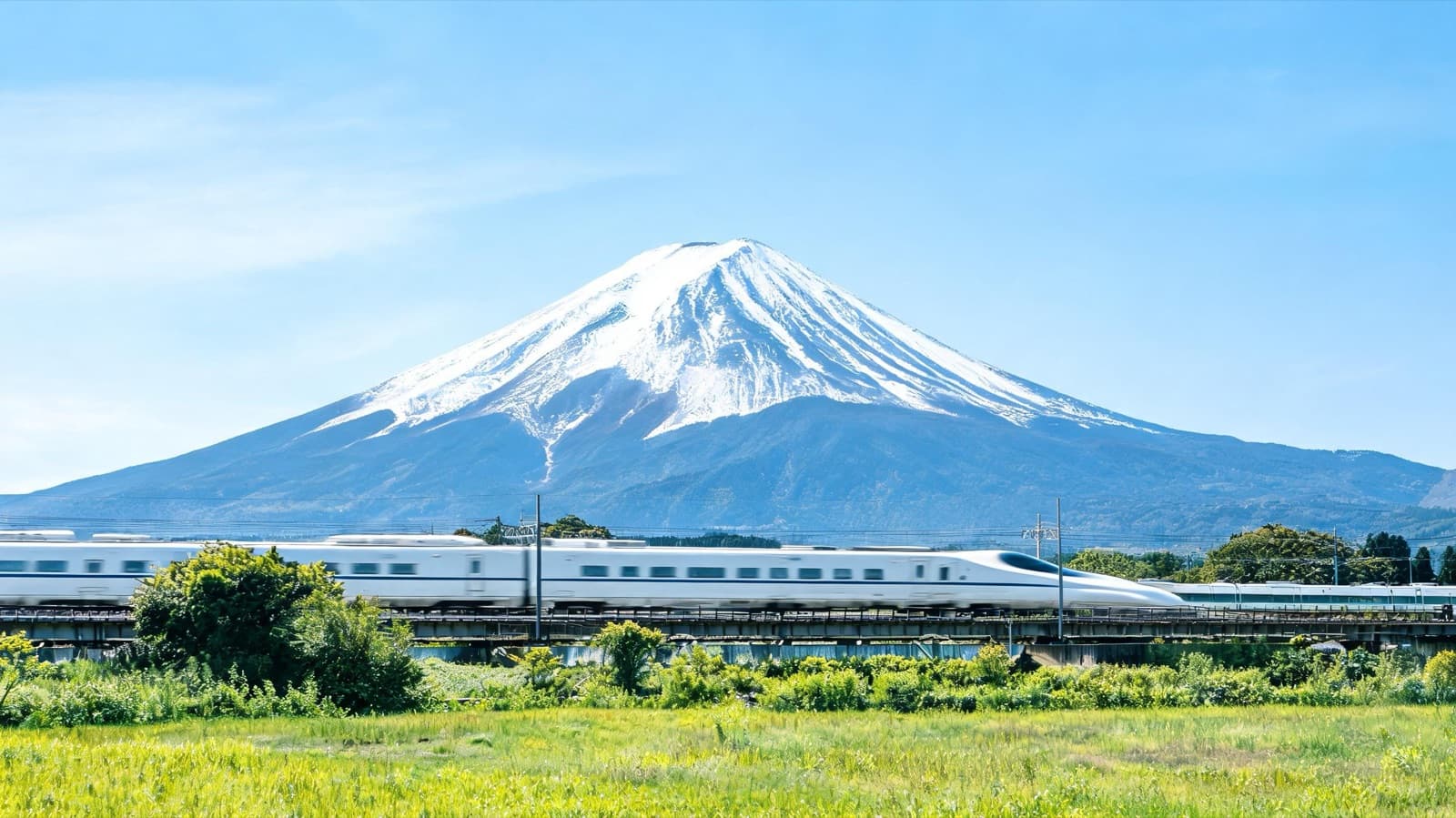
Day 6: Mount Fuji day trip. He calls this one risky, saying Fuji is visible only around 80 days of the year, so check a visibility forecast and skip the trip if the odds are poor. Take the highway bus from the Shibuya Expressway bus terminal in Shibuya Mark City to Kawaguchiko Station. Near the station is the much-photographed Mount Fuji Lawson. Then take the train to Shimoyoshida and walk to Arakurayama Sengen Park for the pagoda-and-Fuji photo. Back in Kawaguchiko, eat hoto noodles, the regional specialty, before the bus back. For a slower take on the city, see our three-day Tokyo plan.
Days 7-9: Nagano, Matsumoto and Kyoto
Day 7: Snow monkeys. Take the Shonan-Shinjuku line to Omiya and the Hokuriku Shinkansen to Nagano, about an hour. Leave your bags at the Toyoko Inn next to the station and aim for the 11:30 a.m. Snow Monkey Express bus. From the drop-off, it is about a 30-minute walk to the park, where the monkeys play in the hot spring. Winter is the most iconic season, but he says it is worth it any time of year.
Day 8: Matsumoto Castle, then Kyoto. Take the JR Shinano Limited Express to Matsumoto, leave your bags in a coin locker and visit Matsumoto Castle, which he describes as one of only 12 remaining original castles in Japan, nicknamed the Crow Castle for its black exterior. After lunch, continue via Nagoya on the Tokaido Shinkansen and reach Kyoto around 4 p.m. He suggests a ryokan for one to three people or a machiya townhouse for larger groups. In the evening, take a taxi to Nishiki Market or Teramachi and eat wagyu katsu at Gyukatsu Kyoto Katsugyu, one of his all-time favorite restaurants in Japan.
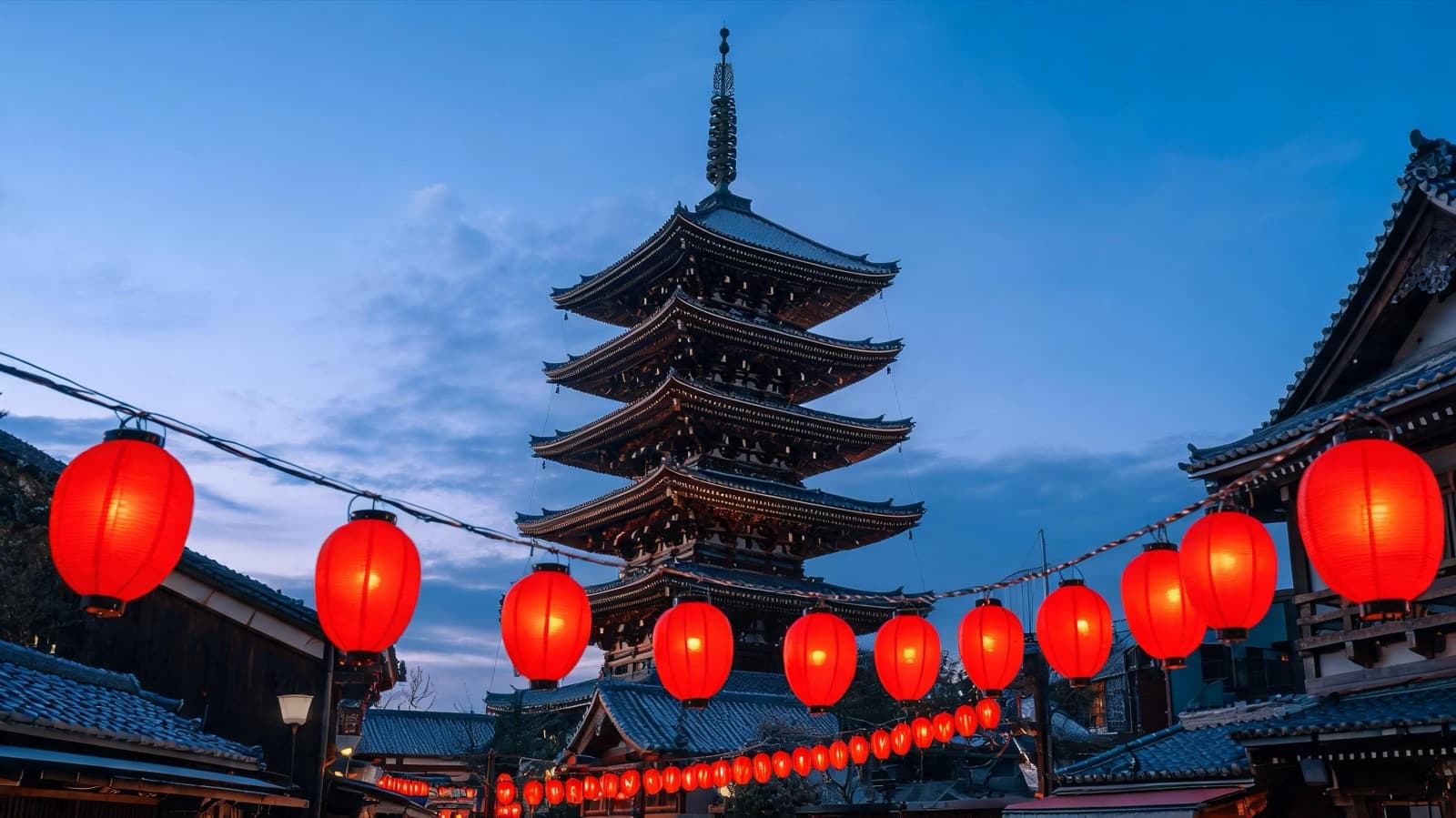
Day 9: Kyoto's big sights. Be at Fushimi Inari around 7 a.m.; it is not empty then, but he says it gets much busier by 8 and tour groups fill it by 9. Take a taxi to Nijo Castle, whose wooden floors chirp like birds, then lunch at Menbaka Fire Ramen, which he calls touristy and expensive but a unique experience. Continue by taxi to the Arashiyama Bamboo Forest, Kinkaku-ji and the Yasaka Pagoda, and end at Kiyomizu-dera, one of his favorite places in Japan to photograph. If one packed day in Kyoto feels too little, our Kyoto 3-day itinerary spreads the city out.
Days 10-15: Osaka, Nara, Hiroshima and home
Day 10: Kyoto to Osaka. Store your bags at Kyoto Station and visit teamLab Biovortex, or the Nintendo Museum if you can get a ticket. Then take the train to Osaka Station. At the Umeda Sky Building, the escalators are free and the observatory costs extra. Take the Midosuji line to Namba, check into Hotel Forza in Dotonbori and have all-you-can-eat wagyu at Yakiniku Rikimaru.
Day 11: Universal Studios or Osaka Castle. Spend the day at Universal Studios Japan for Super Nintendo World, or go slower: Osaka Castle, then Tenjinbashi-suji, which he calls the longest covered shopping street in Japan, and Namba Yasaka Shrine with its lion-head shrine.
Day 12: Nara. Take the Kintetsu Nara line from Kintetsu-Nippombashi, then walk to Nakatanidou to watch its fast mochi pounding. In Nara Park, buy crackers for the deer, keep walking away from big groups, and find a deer on its own; hold a cracker up and it may bow for it. For lunch, he recommends Kamaiki, which he ranks among the best udon in Japan.
Day 13: Miyajima, Hiroshima and Himeji. Leave early: Shinkansen from Shin-Osaka to Hiroshima, the JR Sanyo line to Miyajimaguchi, then the ferry to Itsukushima Shrine, whose torii gate appears to stand in the sea at high tide and can be reached on foot at low tide. Back on the mainland, see Hiroshima Castle, named the Carp Castle for the fish in its moat, and the Peace Memorial Park with the Atomic Bomb Dome, then eat Hiroshima-style okonomiyaki at Okonomimura. On the way back, stop for Himeji Castle, the White Heron Castle, which he calls the largest and most famous castle in Japan.
Days 14-15: Shopping and the trip home. He keeps Day 14 open for Dotonbori shopping, with Osaka Aquarium Kaiyukan or Tsutenkaku Tower as alternatives. If you would rather spend that time on the city itself, our three days in Osaka covers the castle, Shinsekai, Den Den Town and Dotonbori from a different creator's video. Flights to the US usually leave mid to late afternoon, he says, so on Day 15 take an early Shinkansen to Shinagawa, lock up your bags, have a last meal at Uobei in Shibuya, then take the Keikyu line to Haneda.
What the creator recommends
- Early starts at Tokyo Tower, teamLab and Fushimi Inari to beat the crowds.
- Shibuya Sky about an hour before sunset.
- Uobei for sushi, wagyu katsu in Kyoto and Kamaiki for udon in Nara.
- Checking the Fuji forecast before committing to the Kawaguchiko trip.
What the creator says to skip
- The Fuji trip on a bad forecast. If visibility looks poor, he says you could skip it.
- The 400 steps at Arakurayama. He would take the zigzag road instead unless you want to tire yourself out.
- The paid observatory at Umeda Sky. The escalators are free, and you can enjoy the view from the shop area.
- Big packs of deer in Nara. Walk away rather than get mobbed.
Getting around, booking and checking before you go
The whole route runs on public transport: JR and subway lines in Tokyo and Osaka, three Shinkansen lines, the Kintetsu line to Nara, a highway bus to Kawaguchiko and taxis in Kyoto, which he books with the GO app. On moving days, he leaves luggage in station coin lockers so he can sightsee before checking in. Our guide to routing a trip through several cities covers how to order bases and transfers.
His linked guide flags what to book ahead, from DisneySea, teamLab, Shibuya Sky and Universal Studios Japan tickets to the highway bus, Shinkansen seats and the Osaka yakiniku dinner; the Snow Monkey Express bus, it says, is first come, first served. Our list of what to book in advance when traveling helps you set the order.
Check before you go: opening times (like teamLab's 8:30 a.m. start), bus schedules, ticket rules and prices change, and the video quotes very few prices, so confirm everything on official sites close to your dates.
Turn this video into your own plan
Hoang's route is built to see as much as possible in 15 days. If you would rather drop the theme parks, add a second Kyoto day or travel at a gentler pace, you can turn this same video into a plan built around your dates, budget and pace on Vidtrip, keeping his picks and timestamps. To see what a finished plan looks like, browse the solo Tokyo example plan.
This guide was drafted with AI from video transcripts, then edited and checked by the Vidtrip team. How we write these guides